

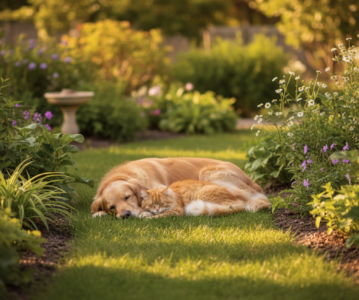
Creating a garden should feel peaceful, not stressful, especially when pets are part of the family. For many pet owners, the garden is more than a design project. It’s a shared living space where dogs nap in the shade, cats explore textures, and humans find calm. Choosing Non-toxic plants for pets allows this shared space to stay safe, nurturing, and harmonious.
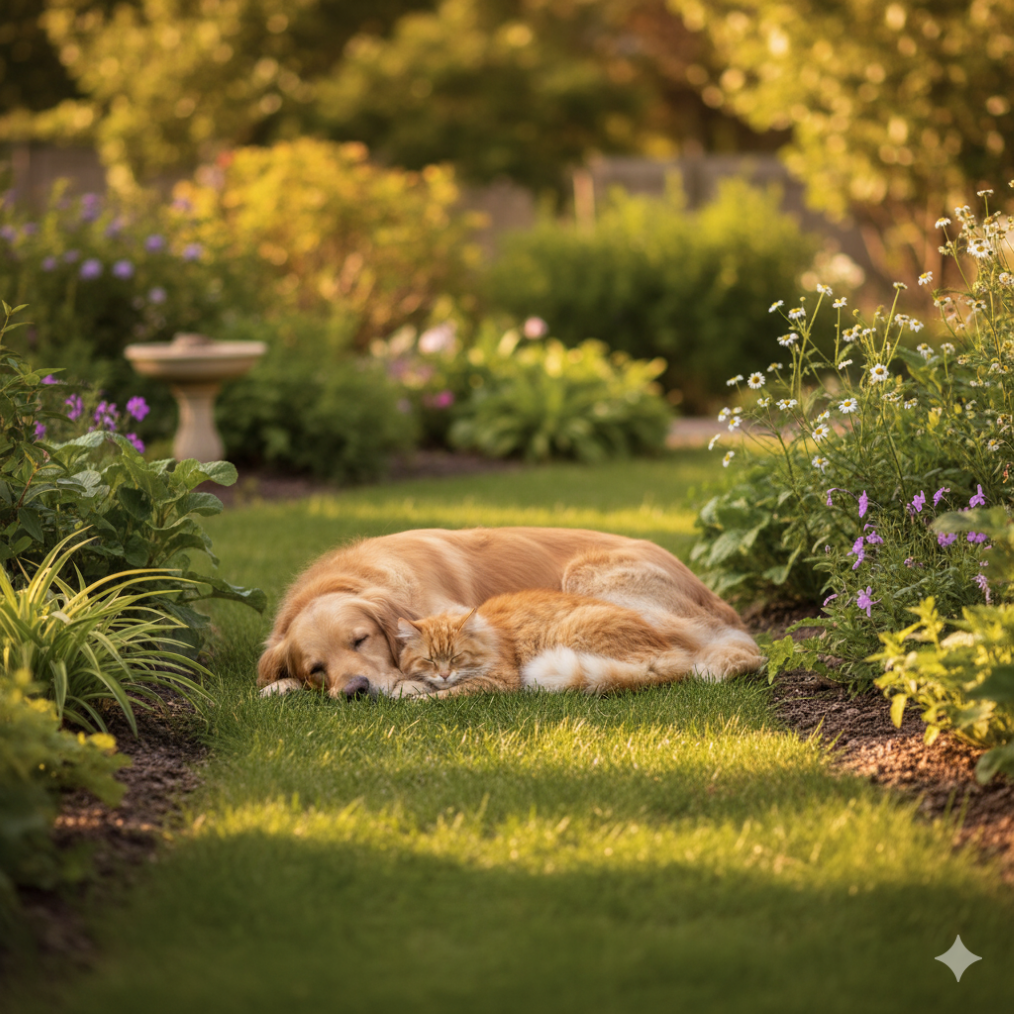
A pet-safe garden doesn’t require giving up beauty or variety. With thoughtful plant choices, you can enjoy lush greenery, colorful blooms, and calming scents while protecting curious paws and noses. This guide is written with care, clarity, and compassion, helping you grow a garden that supports both animal well-being and human joy.
Why Plant Safety Matters in Pet-Friendly Homes
Pets experience gardens differently than people do. Dogs explore with their mouths, cats brush against leaves, and both may dig or chew out of curiosity. Even mild plant toxins can cause digestive upset or discomfort. While this article avoids fear-based messaging, it’s important to understand that prevention is an act of love.
By selecting safe plants from the start, you reduce the need for constant monitoring or restrictions. A well-planned garden gives pets freedom to explore while giving you peace of mind.
How Pets Interact With Plants
Understanding pet behavior helps guide plant choices. Dogs often nibble grass or leaves, especially when bored or overheated. Cats may chew greenery for texture or stimulation. Some pets rub against plants, absorbing residues from leaves or sap.
This doesn’t mean pets are “misbehaving.” It simply means gardens should be designed with them in mind, just as we design homes with rounded corners for toddlers.
The Philosophy Behind Non-Toxic Gardening
Pet-safe gardening is rooted in coexistence. Rather than separating animals from nature, it invites them in safely. This approach emphasizes:
- Choosing plants that are harmless if tasted
- Designing layouts that reduce temptation
- Encouraging natural enrichment without risk
Non-toxic plants for pets are not about limitation. They’re about thoughtful abundance.
Trusted Non-Toxic Plants for Pets
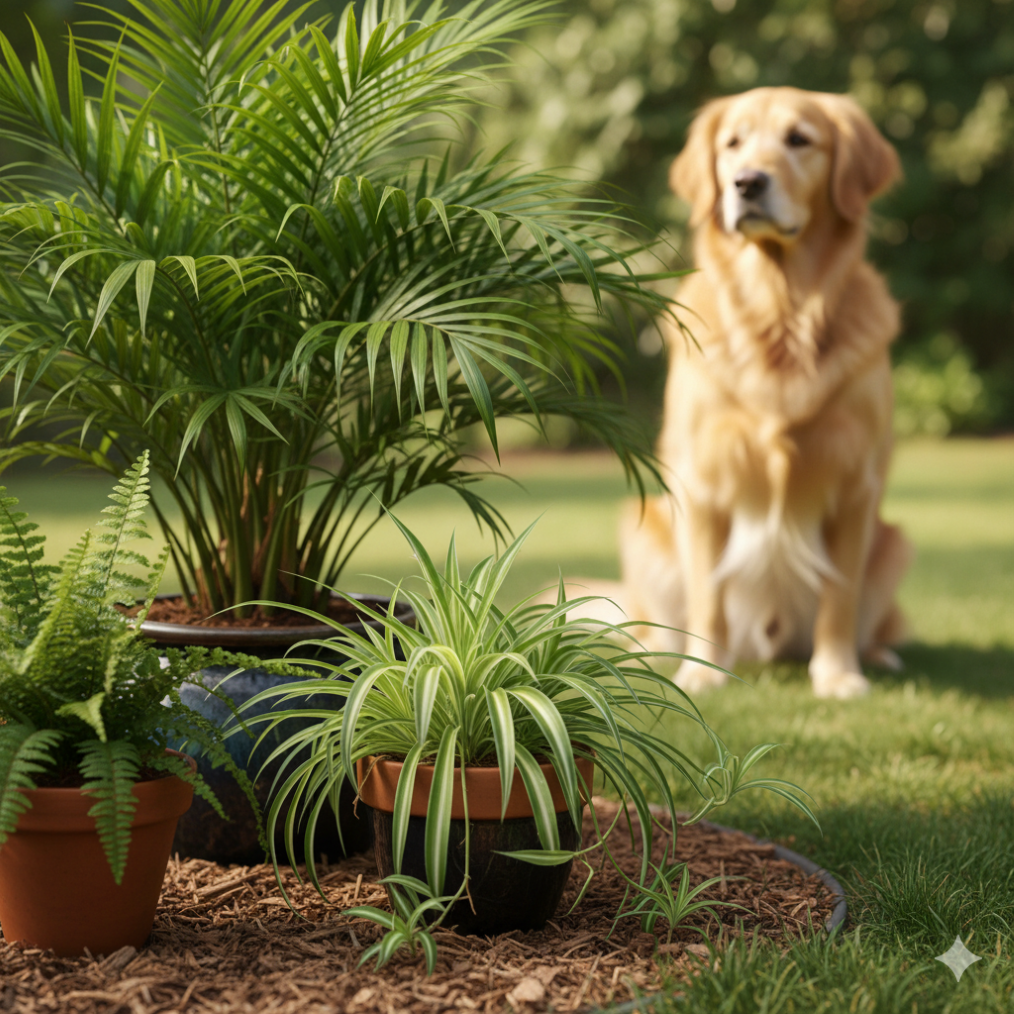
Below are well-loved plants known for being gentle around pets when grown responsibly.
Spider Plant
Easy to grow and visually soothing, spider plants are a favorite for indoor and outdoor containers. Their arching leaves invite curiosity, yet they remain safe for pets.
Areca Palm
This soft, feathery palm adds height and movement to a space without posing a threat to animals. It’s ideal for patios and bright indoor corners.
Boston Fern
With lush texture and air-purifying benefits, Boston ferns thrive in shaded areas and create cozy garden nooks for pets to rest.
Calathea
Known for patterned leaves, calatheas are non-toxic and perfect for pet-accessible indoor gardens.
Rosemary
A hardy herb that benefits both people and pets. Rosemary adds fragrance, repels some pests naturally, and is safe when brushed or sniffed by animals.
Safe Flowering Plants That Add Color

Color doesn’t have to come with risk. These flowering plants bring joy without worry.
- African violets
- Sunflowers
- Snapdragons
- Zinnias
Planted in raised beds or borders, they create visual interest while staying gentle.
Designing a Garden Layout With Pets in Mind
A pet-safe garden is about placement as much as plant choice. Consider:
- Pathways wide enough for dogs to move comfortably
- Shaded zones for cooling
- Soft ground covers instead of thorny plants
Raised planters can protect delicate plants while leaving ground-level greenery accessible and safe.
Indoor Gardening With Pets
Indoor plants often sit at nose or paw level. Choosing safe varieties allows pets to coexist without constant redirection.
Place trailing plants out of reach if chewing becomes habitual, and use heavy pots that won’t tip easily.
Herbs That Support a Calm Home
Many herbs are gentle and enriching for pets:
- Basil
- Thyme
- Dill
They can be grown in kitchen windows or outdoor planters, connecting pets to subtle, natural scents.
Plants to Be Cautious About
While this guide avoids fear-based language, awareness is empowering. Some common plants are best avoided in pet spaces. When in doubt, choose known-safe alternatives and consult a trusted veterinary source.
Seasonal Gardening Tips
As seasons change, so do plant behaviors. Spring growth may attract more curiosity, while summer heat increases plant interaction. Regular pruning and observation help maintain balance.
Creating Enrichment Through Plants
Plants can enrich pets’ lives by providing:
- Sensory stimulation
- Cooling shade
- Natural boundaries
A garden designed for enrichment supports emotional well-being as much as physical safety.
FAQs About Non-Toxic Plants for Pets
Are all herbs safe for pets?
Not all, but many common culinary herbs are gentle when grown organically.
Can pets still get sick from safe plants?
Even safe plants can cause mild stomach upset if consumed in large amounts.
Should I avoid mulch?
Choose untreated, natural mulch and avoid cocoa-based products.
Are indoor plants riskier than outdoor ones?
They can be, due to constant access. Choose sturdy, safe plants.
Do safe plants still need supervision?
Yes, gardens work best with awareness and care.
Where can I verify plant safety?
Reputable veterinary organizations provide updated plant lists.
A Garden Built on Trust and Care
A pet-safe garden reflects the bond between humans and animals. By choosing thoughtfully, observing gently, and designing with empathy, your space becomes a shared sanctuary.
Non-toxic plants for pets allow gardens to be places of rest, play, and connection for every member of the family.
