

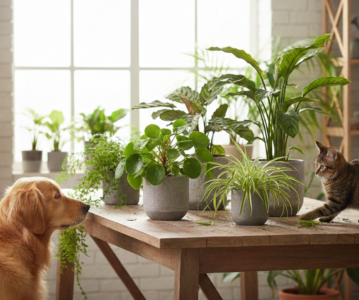
As a passionate gardener and devoted pet owner, I understand the importance of creating a safe, welcoming outdoor space for both you and your furry companions. While the beauty of lush greenery and vibrant blooms can be tempting, it’s crucial to ensure that the plants in your garden are non-toxic and pose no harm to your beloved pets. In this comprehensive guide, we’ll explore a variety of pet-safe options that will allow your cats and dogs to roam freely and enjoy the great outdoors without putting their health at risk.
Understanding Toxic and Non-Toxic Plants
Not all plants are created equal when it comes to pet safety. Some common household and garden plants can be highly toxic if ingested by cats or dogs, leading to serious health issues or even life-threatening situations. It’s important to familiarize yourself with the most common toxic plants, such as lilies, azaleas, and sago palms, and ensure they are kept well out of reach of your pets.
On the other hand, there are many beautiful and versatile non-toxic plants that can be safely incorporated into your garden design. These pet-safe options not only provide visual interest and environmental benefits, but they also allow your furry friends to explore and interact with the natural world without putting their wellbeing at risk.
Top Non-Toxic Plants for Cats and Dogs
When it comes to selecting non-toxic plants for your pet-friendly garden, there are a wide variety of options to choose from. Here are some of the top choices that are safe for both cats and dogs:
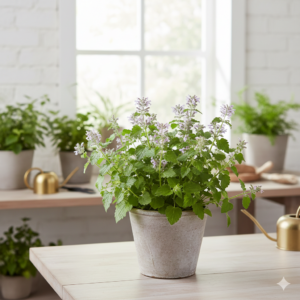
– Catnip (Nepeta cataria): This fragrant herb is a favorite among felines, providing hours of playful enjoyment. It’s non-toxic and can even have calming effects on your cat.
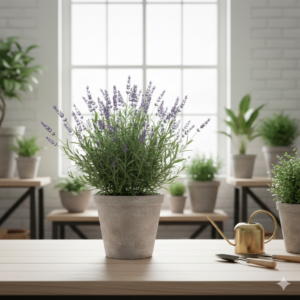
– Lavender (Lavandula spp.): With its soothing scent and beautiful purple blooms, lavender is a great addition to any garden. It’s non-toxic and can even help repel fleas and ticks.
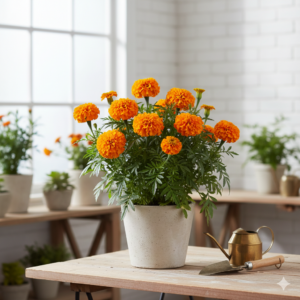
– Marigolds (Tagetes spp.): These vibrant flowers not only add a pop of color to your garden but are also safe for pets. They can even help deter pests and nematodes in the soil.
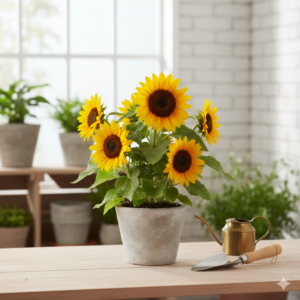
– Sunflowers (Helianthus spp.): Cheerful and sun-loving, sunflowers are a great choice for pet-friendly gardens. They’re non-toxic and can provide a fun source of entertainment for your furry friends.
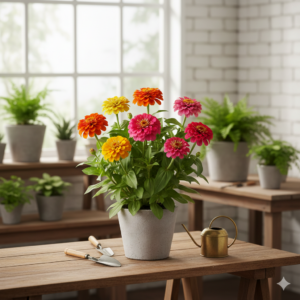
– Zinnias (Zinnia elegans): These bright, colorful flowers are not only beautiful but also non-toxic to cats and dogs. They’re easy to grow and can attract beneficial pollinators to your garden.
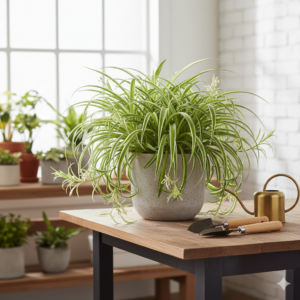
– Spider Plants (Chlorophytum comosum): This resilient, trailing plant is a favorite among pet owners. It’s non-toxic and can even help purify the air in your home.
Incorporating Pet-Safe Plants into Your Garden Design
When planning your pet-friendly garden, it’s important to consider the layout and placement of your non-toxic plants. Here are some tips to help you create a safe and harmonious outdoor space:
– Designate a pet-safe zone: Establish a dedicated area within your garden where you can plant a variety of non-toxic options. This will give your furry friends a safe space to explore and play without the risk of encountering any harmful plants.
– Utilize raised beds or containers: Elevating your pet-safe plants in raised beds or containers can help keep them out of reach of curious paws and mouths. This is especially important for plants that may be tempting for your pets to nibble on.
– Incorporate sensory-rich elements: Include plants that engage your pets’ senses, such as catnip for cats or fragrant herbs for dogs. This can provide enrichment and encourage natural behaviors, while still maintaining a safe environment.
– Consider your pet’s behavior: Tailor your plant selection and garden layout to your pet’s specific needs and behaviors. For example, if your dog is a digger, you may want to choose plants with deep, sturdy root systems to prevent uprooting.
– Provide ample shade and water: Ensure your pet-safe garden includes shaded areas and access to clean, fresh water. This will help keep your furry friends comfortable and hydrated while they enjoy the great outdoors.
Maintaining a Pet-Friendly Garden
Keeping your pet-safe garden in top condition requires some ongoing maintenance and vigilance. Here are a few tips to help you maintain a healthy, safe outdoor space for your furry friends:
– Regularly inspect for toxic plants: Periodically check your garden for any new growth or plants that may have been introduced, and remove any potentially harmful species immediately.
– Use pet-safe gardening products: When it comes to fertilizers, pesticides, and other gardening products, always choose options that are specifically formulated to be non-toxic to pets. Avoid using any harsh chemicals that could pose a risk to your furry companions.
– Provide ample water and shade: Ensure your pets have access to clean, fresh water and shaded areas to rest and cool off, especially during the warmer months.
– Supervise outdoor playtime: While your pet-safe garden should be a haven for your furry friends, it’s still important to supervise their outdoor activities to ensure their safety and prevent any accidents or mishaps.
– Consider adding pet-friendly features: Incorporate elements like raised garden beds, sturdy fencing, or designated digging areas to create a truly pet-friendly environment that meets the unique needs of your cats and dogs.
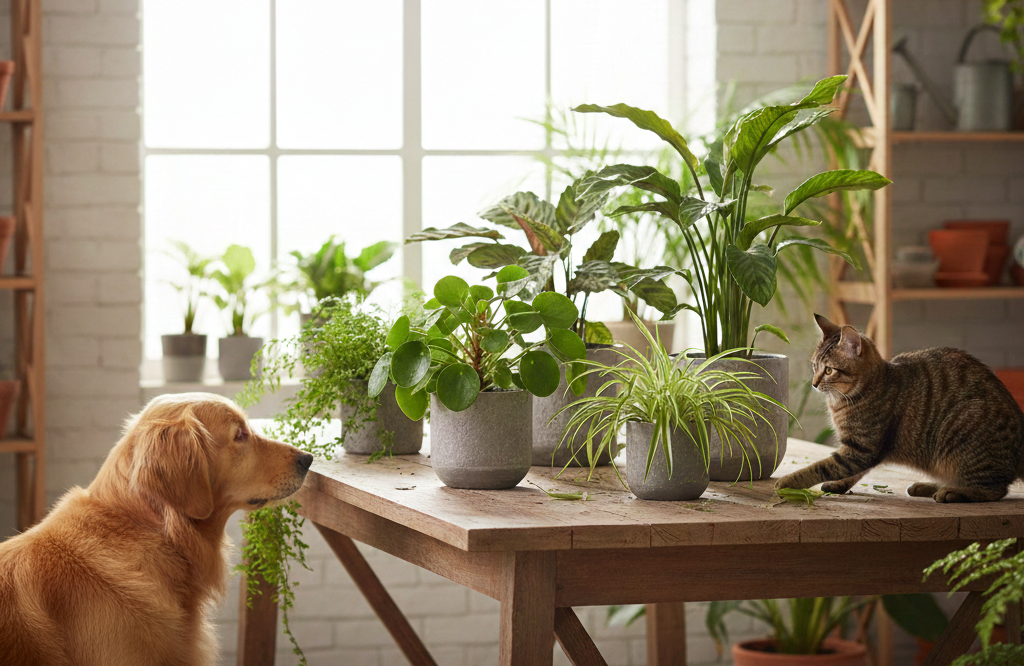
FAQs: Keeping Pets Safe in the Garden
- Q: What are some common toxic plants that I should avoid in my pet-friendly garden?
- A: Some of the most common toxic plants for cats and dogs include lilies, azaleas, sago palms, oleander, and certain types of ivy. It’s important to research and remove any of these potentially harmful species from your garden.
- Q: Can I grow edible plants in my pet-safe garden?
- A: Absolutely! Many herbs, vegetables, and fruits are safe for pets to consume in moderation. Some great options include catnip, cat grass, basil, and blueberries. Just be sure to monitor your pets’ intake and avoid overfeeding them.
- Q: How can I encourage my pets to stay out of certain garden areas?
- A: You can try using natural deterrents like citrus peels, coffee grounds, or bitter apple spray to discourage your pets from entering specific zones. Additionally, incorporating physical barriers like fencing or raised beds can help keep your furry friends out of sensitive areas.
- Q: What should I do if my pet ingests a potentially toxic plant?
- A: If you suspect your pet has ingested a harmful plant, contact your veterinarian or the ASPCA Animal Poison Control Center immediately. Quick action is crucial in these situations, as some plant toxins can be life-threatening.
- Q: Are there any benefits to having pet-safe plants in my garden?
- A: Absolutely! In addition to providing a safe, enriching environment for your furry friends, many pet-safe plants can also offer benefits like attracting pollinators, improving air quality, and enhancing the overall aesthetic of your outdoor space.
Conclusion
Creating a pet-friendly garden that is both beautiful and safe for your furry companions is a rewarding endeavor. By carefully selecting non-toxic plants, incorporating thoughtful design elements, and maintaining a vigilant approach to garden safety, you can cultivate an outdoor oasis that allows your cats and dogs to thrive alongside the natural world. Remember, with a little planning and care, you can enjoy the best of both worlds – a lush, vibrant garden and a happy, healthy pet. So, let’s get started on building your paws-itively purr-fect pet-safe paradise!
