

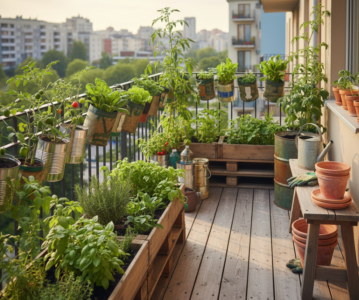
Living in an apartment doesn’t mean giving up on healthy, resilient plants. I’ve spent years helping urban gardeners understand that plant health is not about reacting to problems, but about preventing them. In this guide, I’ll walk you through how to care for plants in small spaces using science-backed, practical methods that actually work in apartments across different U.S. climates.
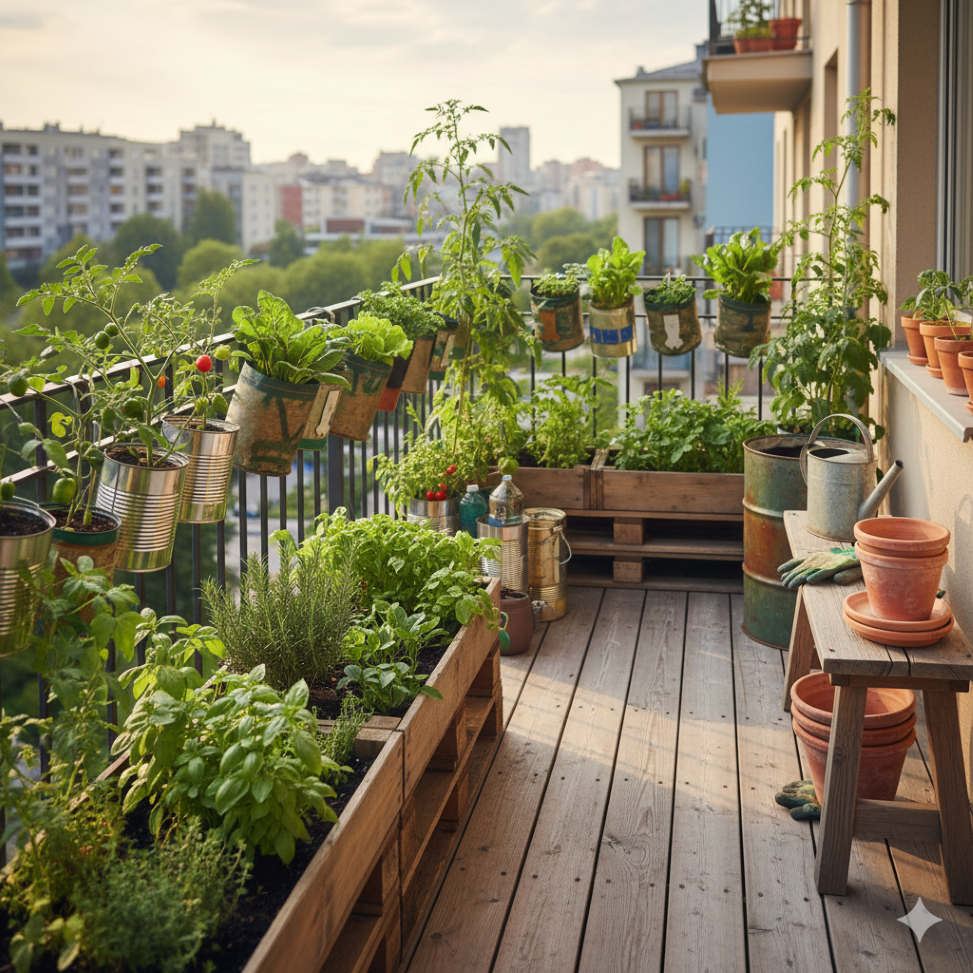
Understanding Plant Health in Urban Environments
Plant health starts long before pests or diseases appear. In apartments, plants face unique stressors: limited airflow, artificial light, restricted root space, and inconsistent watering. These factors weaken plants over time, making them more susceptible to problems.
Healthy plants are resilient plants. When we focus on proper soil structure, watering habits, and observation, most issues never appear.
Soil: The Foundation of Every Healthy Plant
Soil is not just dirt. Healthy soil is a living system full of microorganisms that support roots and regulate nutrients. In containers, soil life is easily depleted, which is why choosing the right mix matters.
I always recommend high-quality organic potting soil with added compost or worm castings. This provides slow, steady nutrition and improves moisture retention without waterlogging.
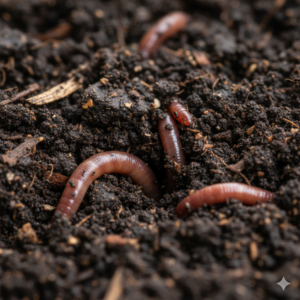
Signs of Healthy Soil
- Earthy smell.
- Good drainage with moisture retention.
- Visible organic matter.
Avoid reusing old compacted soil without refreshing it. Tired soil leads to stressed plants.
Watering: Precision Over Routine
Overwatering is the most common mistake I see, especially in apartments. Plants don’t need water on a schedule; they need water based on conditions.
Check moisture by inserting your finger into the soil. If the top two inches are dry, it’s usually time to water. Always ensure pots have drainage holes.

Prevention Tip
Water deeply but less frequently. This encourages strong root systems and reduces fungal diseases.
Light Management in Apartments
Most apartment plants fail due to insufficient light. South- and west-facing windows offer the best natural light. If that’s not available, grow lights can make a significant difference.
Observe how your plant responds. Leggy growth and pale leaves often indicate light deficiency.
Pest Prevention Through Observation
Pests like spider mites, aphids, and fungus gnats thrive on weak plants. Instead of reacting with chemicals, focus on early detection.
Inspect the underside of leaves weekly. Catching pests early allows simple treatments like neem oil or insecticidal soap.
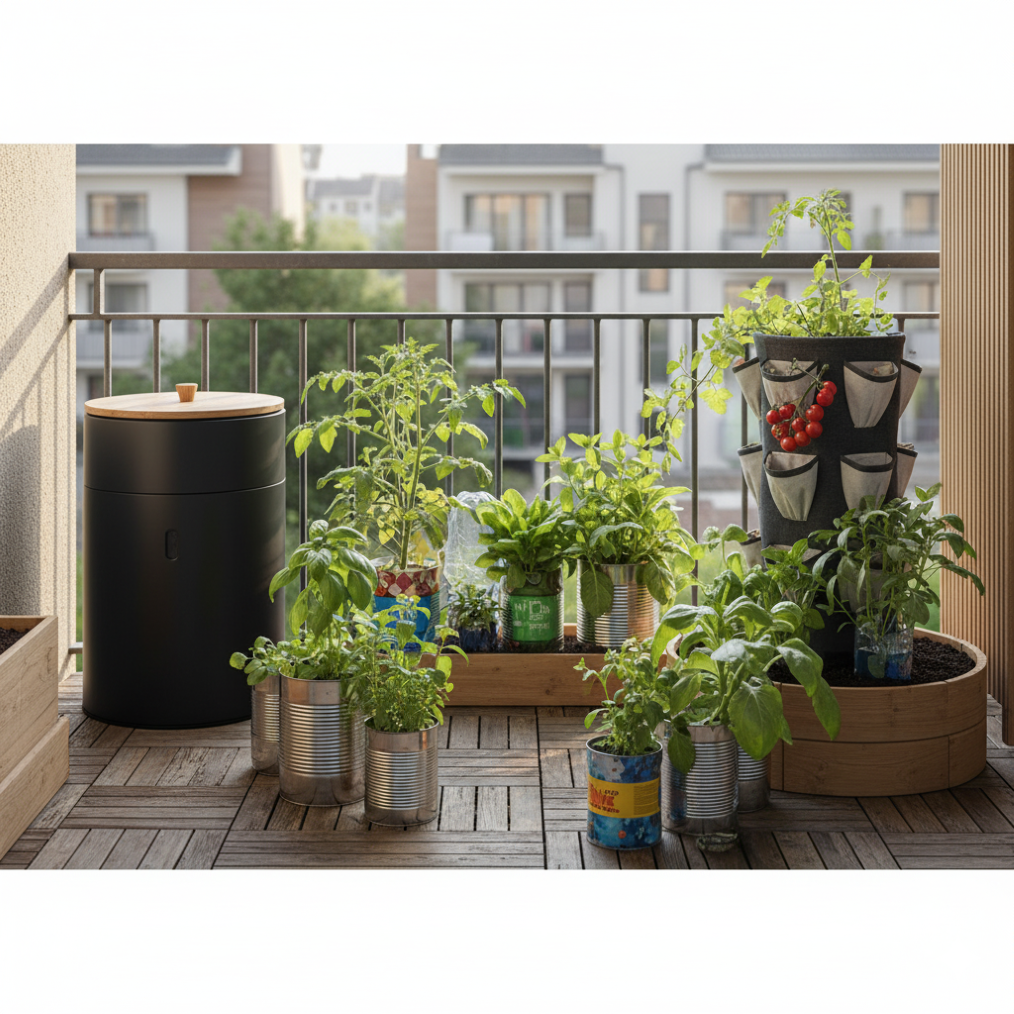
Diseases: Creating Unfavorable Conditions
Most plant diseases are caused by excess moisture and poor airflow. Space plants slightly apart and avoid wetting leaves unnecessarily.
When disease appears, remove affected leaves promptly. Prevention always works better than cure.
Propagation as a Health Strategy
Propagation isn’t just about making new plants. It’s a way to rejuvenate aging ones. Healthy cuttings taken from strong plants root faster and grow better.
Common houseplants like pothos (Epipremnum aureum) and snake plant (Dracaena trifasciata) propagate easily in apartments.
Long-Term Plant Care Habits
Consistency matters more than perfection. Keep a simple care routine:
- Monthly soil check.
- Seasonal light adjustment.
- Weekly leaf inspection.
Plants thrive when stress is minimized.
Final Thoughts
Urban gardening is about working with limitations, not against them. With attentive care, even a small apartment can support vibrant, healthy plants. Focus on prevention, observation, and soil health, and your plants will reward you.
