
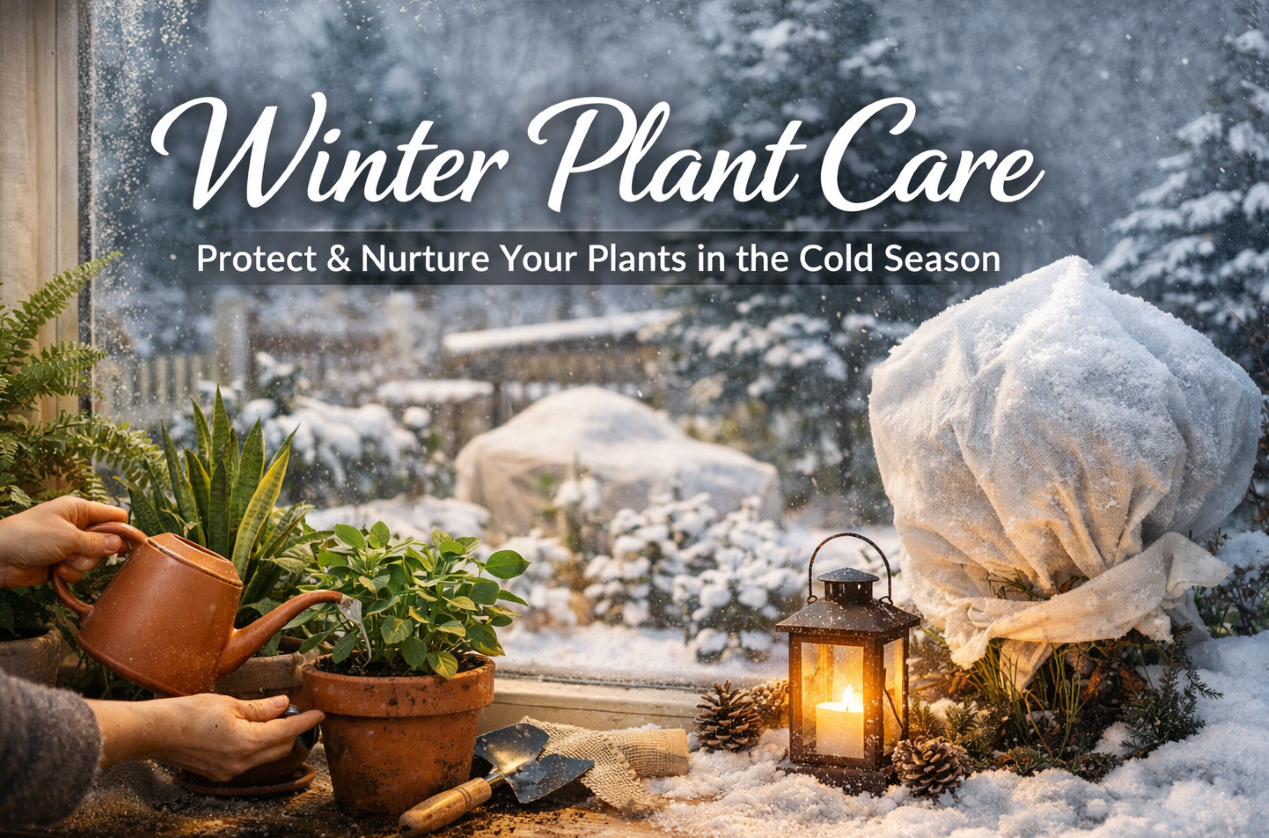

Winter can be a challenging season for plants, but it doesn’t have to be a damaging one. With mindful winter plant care, you can help both indoor and outdoor plants adapt to colder temperatures, reduced sunlight, and slower growth cycles. Understanding what your plants need during winter allows you to protect them while supporting healthy recovery when spring
Understand How Winter Affects Plant Growth
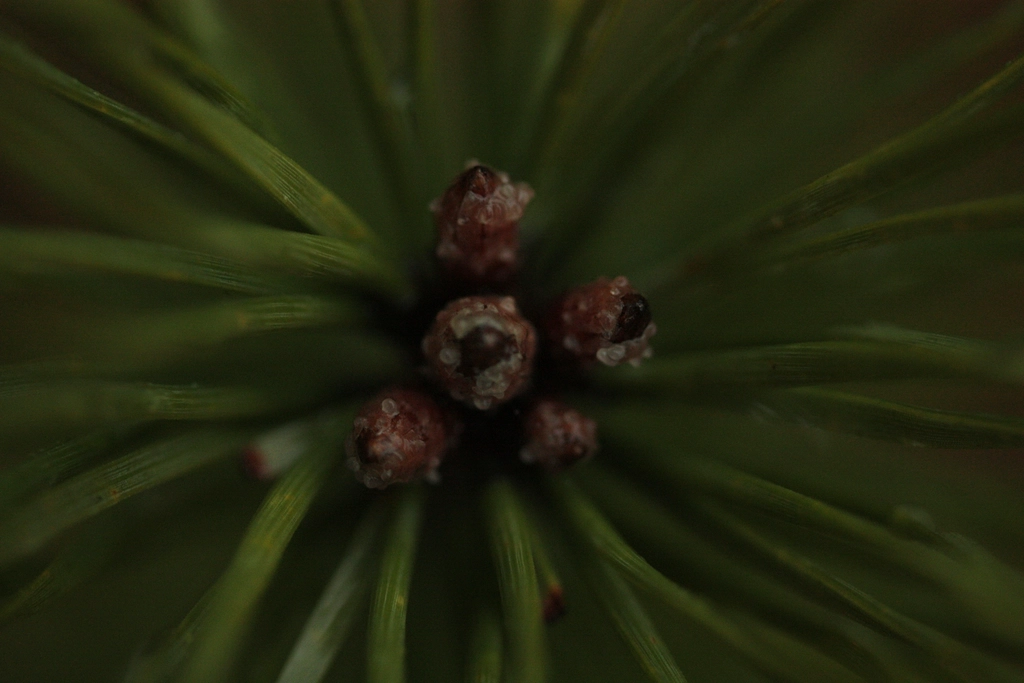
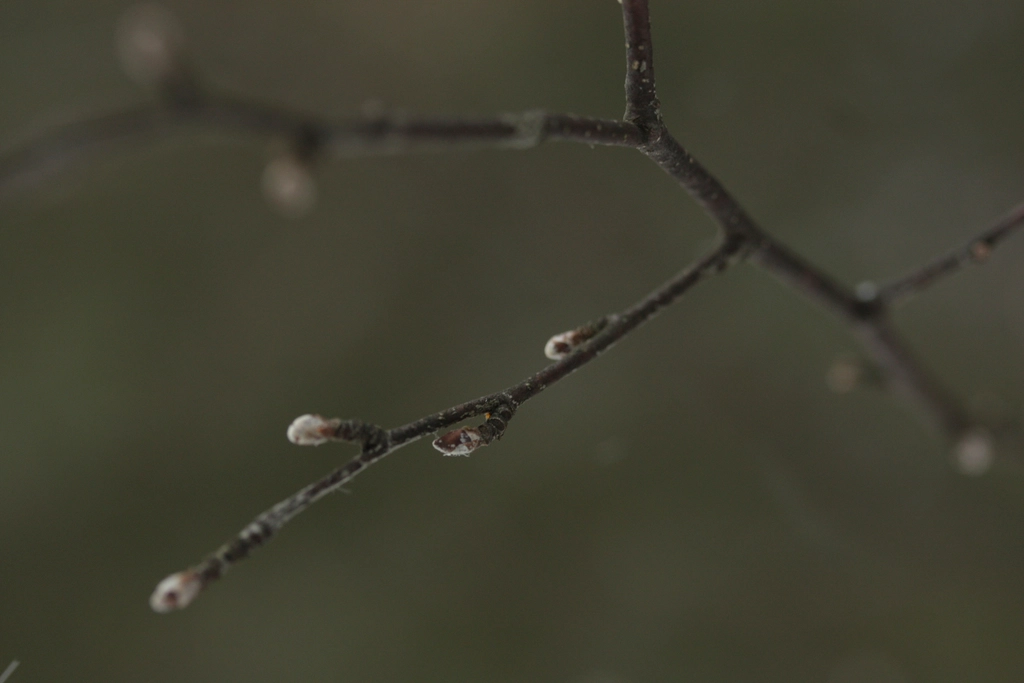
During winter, plants naturally slow their growth as daylight hours shorten and temperatures drop. This dormancy is a survival mechanism, not a sign of poor health. Many gardeners make the mistake of treating winter plants the same way they do in warmer months, which can lead to stress, root rot, or nutrient overload. Recognizing that plants need less water, fewer nutrients, and more stability during winter is the foundation of proper winter plant care.
Adjust Watering to Prevent Root Damage
One of the most important winter plant care adjustments is watering less frequently. Cold temperatures reduce evaporation, meaning soil stays moist longer. Always check soil moisture before watering and allow the top layer to dry out for most plants. Overwatering during winter is one of the most common causes of plant decline, especially for indoor plants with limited airflow.
Protect Outdoor Plants from Cold Stress
Outdoor plants are especially vulnerable to frost, wind, and temperature swings. Mulching around the base of plants helps insulate roots and retain soil warmth. For sensitive plants, breathable covers or frost cloths can provide protection during cold nights. Strategic placement near walls or wind barriers also reduces exposure and supports healthier winter survival.

Support Indoor Plants with Better Light
Reduced sunlight is a major winter challenge for indoor plants. Move plants closer to windows with indirect light and rotate them regularly to promote even growth. If natural light is insufficient, grow lights can be a helpful supplement. Maintaining consistent light exposure helps prevent leggy growth and leaf drop throughout the winter months.
Maintain Healthy Soil and Air Circulation
Winter plant care isn’t just about temperature—it’s also about environment. Avoid fertilizing heavily during winter, as plants are not actively growing. Keep leaves clean to maximize photosynthesis and ensure good air circulation to reduce the risk of fungal issues. Simple habits like spacing plants properly can make a significant difference.
Prepare Plants Emotionally and Practically for Spring
Winter is a time of rest and observation. Caring for plants during this season encourages patience and attentiveness. By maintaining gentle routines and resisting the urge to overcorrect, you give your plants the space they need to recover naturally. Thoughtful winter plant care sets the stage for stronger growth, healthier foliage, and renewed energy when spring arrives.

Conclusion
Winter plant care is about protection, balance, and awareness. By adjusting watering habits, improving light conditions, and shielding plants from cold stress, you can guide your plants safely through the colder months. With consistent care and a mindful approach, winter becomes not a threat, but a season of quiet preparation for growth ahead.
