
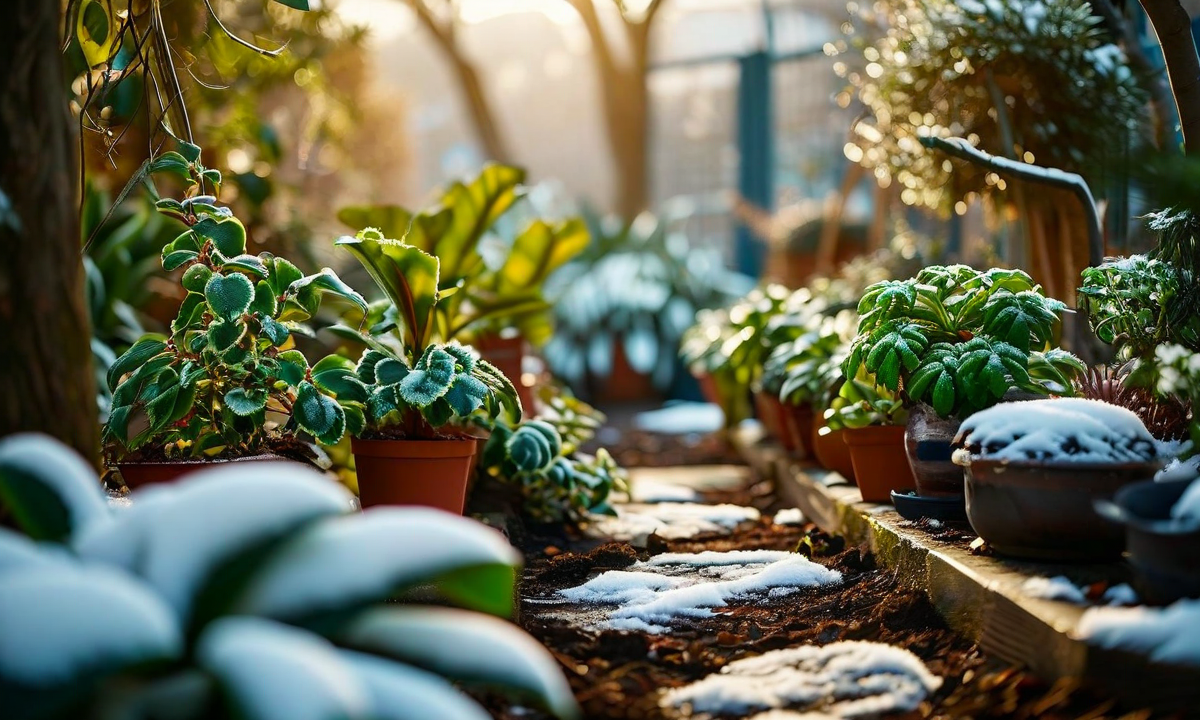

As the days grow shorter and the temperatures drop, it’s easy to neglect your plants during the winter months. However, maintaining a consistent winter plant care routine is crucial for keeping your houseplants and outdoor gardens healthy and vibrant until spring arrives. In this comprehensive guide, we’ll explore the essential tasks and best practices to ensure your plants thrive through the colder season.
Watering Wisely in Winter
One of the most important aspects of winter plant care is adjusting your watering routine. During the colder months, most plants go into a state of dormancy, slowing their growth and requiring less water. Overwatering can lead to root rot and other issues, so it’s crucial to be mindful of your plants’ needs.
For indoor houseplants, reduce watering frequency by 50% or more compared to the growing season. Check the soil before watering, and only add water when the top inch or two feels dry to the touch. Outdoor plants in the garden may also need less frequent watering, as the soil tends to retain moisture better in cooler temperatures.
It’s also important to avoid watering plants when the soil is frozen, as the water won’t be able to penetrate the frozen ground. Instead, wait for a warmer day when the soil has thawed before providing any supplemental moisture.

Pruning and Grooming for Winter
Pruning and grooming your plants during the winter months can help maintain their health and appearance. This is an excellent time to remove any dead, damaged, or diseased foliage, as well as to shape and tidy up your plants.
For indoor houseplants, use clean, sharp pruning shears to snip off any yellowed, wilted, or brown leaves. Be sure to make clean cuts just above a healthy node or leaf. This not only improves the plant’s aesthetics but also helps to prevent the spread of any potential pests or diseases.
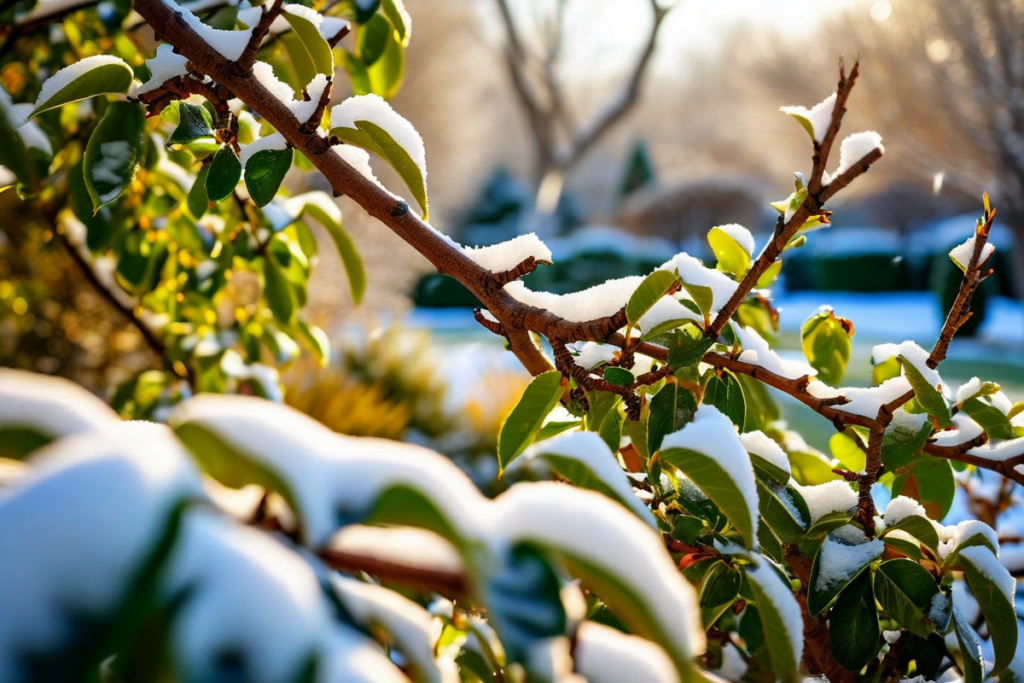
Outdoor plants may also benefit from a light pruning in the winter. Focus on removing any dead or damaged branches, as well as any crossing or rubbing stems. This helps to open up the plant’s structure and promote better air circulation, which can deter fungal issues. Be mindful of the specific pruning needs of your plants, as some species are better left alone during the dormant season.
Fertilizing for Winter Growth
While many plants slow their growth during the winter, some may still benefit from a light fertilizer application. Houseplants, in particular, can appreciate a balanced, diluted liquid fertilizer every 4-6 weeks to provide a gentle nutrient boost.
Outdoor plants, on the other hand, generally don’t require additional fertilizer in the winter unless they are actively growing. In fact, applying a heavy fertilizer during this time can encourage tender new growth that is susceptible to frost damage. Instead, focus on replenishing the soil’s nutrients in the fall before the ground freezes.
When fertilizing, always follow the manufacturer’s instructions carefully and avoid applying fertilizer to frozen or waterlogged soil. Excess fertilizer can lead to salt buildup in the soil, which can be detrimental to plant health.
Protecting Plants from Winter Stress
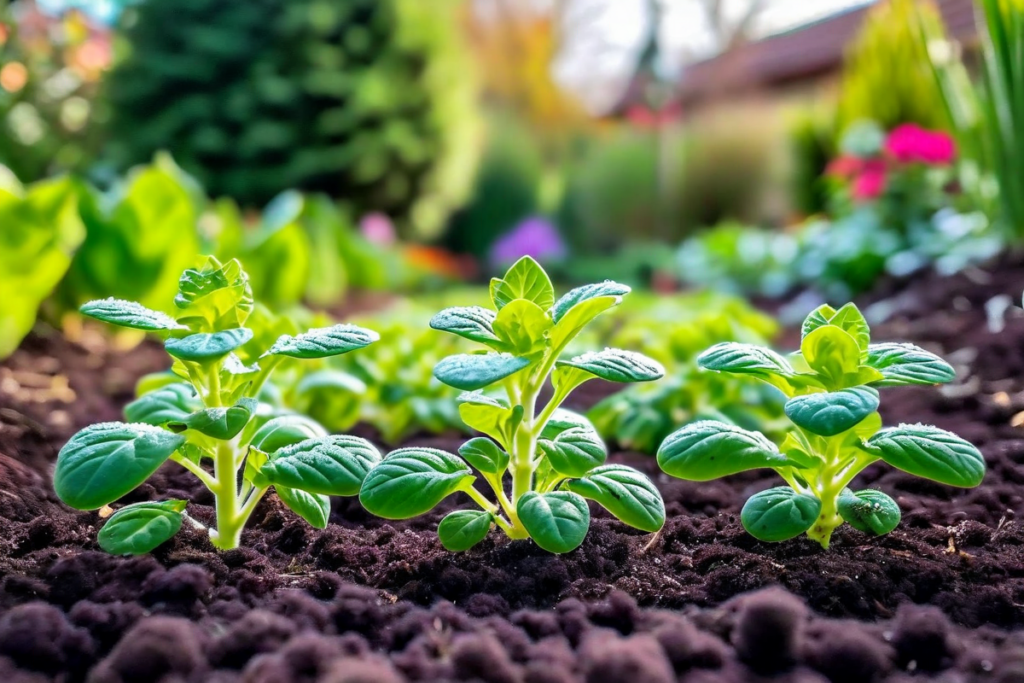
Winter weather can be harsh on plants, subjecting them to freezing temperatures, strong winds, and heavy snowfall. Protecting your plants from these stressors is essential for their survival and overall health.
For indoor houseplants, ensure they are placed in a spot with consistent temperatures, away from drafty windows or vents. Consider using a humidifier to maintain optimal humidity levels, as dry air can be detrimental to many plant species.
Outdoor plants may need additional protection, such as mulching around the base to insulate the roots, wrapping sensitive trunks and stems, or even constructing temporary cold frames or greenhouses. Be mindful of the specific needs of your plants, as some may be more cold-hardy than others.
Monitoring for Pests and Diseases
Winter can be a prime time for certain pests and diseases to thrive, as plants are more vulnerable due to their dormant state. Regularly inspecting your plants for any signs of trouble is crucial to catch and address issues early on.
Common winter pests to watch out for include spider mites, mealybugs, and scale insects. These tiny creatures can quickly infest and damage your plants if left unchecked. Be sure to thoroughly inspect the undersides of leaves and other hidden areas where pests may lurk.
Disease-wise, fungal issues like powdery mildew and root rot can also become more prevalent during the colder months. Keep an eye out for discolored, wilted, or otherwise unhealthy-looking foliage, and address any concerns promptly to prevent the spread of disease.
Conclusion
By following these essential winter plant care routines, you can help ensure your houseplants and outdoor gardens thrive through the colder months. Remember to adjust your watering, pruning, and fertilizing practices to suit the unique needs of your plants, and be vigilant in monitoring for any pests or diseases. With a little extra care and attention, your plants will be well-prepared to burst back to life when spring arrives.
